By Danny Izaiah
In the ever-evolving landscape of modern entertainment, few pastimes have maintained the same level of widespread appeal as the slot machine. Whether nestled in the corner of a bustling casino, prominently displayed on a mobile screen, or part of a lively online gaming platform, slots have proven to be a timeless attraction for players seeking a blend of excitement, anticipation, and, of course, the elusive jackpot. But what is it about these seemingly simple machines that makes them so enduringly popular? What draws millions to spin the reels, often hoping for nothing more than the sweet sound of coins pouring out in victory? The answer lies in a combination of chance, psychology, technology, and an ever-expanding array of innovations that continue to redefine what slots can offer.
The Origins and Evolution of Slot Machines
The history of the slot machine is a tale of ingenuity, experimentation, and adaptation. The first true slot machine, known as the Liberty Bell, was invented in 1895 by Charles Fey, a mechanic from San Francisco. This early mechanical device had three spinning reels and five symbols: horseshoes, diamonds, spades, hearts, and the iconic Liberty Bell. The machine’s simplicity and the excitement it generated quickly made it a sensation. Players would insert a coin, pull a lever, and wait to see whether the reels would align to produce a winning combination. In those early days, the prizes were often in the form of chewing gum or other small items, but the thrill of winning created a new kind of entertainment.
As the 20th century progressed, slot machines underwent a series of technological transformations. The mechanical reels were replaced by electrical components, allowing for more complex games with varying payout structures. In the 1970s, the introduction of video slots revolutionized the industry, eliminating the need for physical reels and introducing new possibilities for gameplay. This shift laid the foundation for the digital age of slots, where software-based systems could create visually stunning games with intricate animations, advanced bonus features, and expansive storylines. The modern-day slot machine, whether found in a land-based casino or accessed on a smartphone, is a far cry from its humble mechanical beginnings.
The Mechanics of Slot Machines: How They Work
Despite their simplicity, the underlying mechanics of slot machines are surprisingly complex. Traditional mechanical slots relied on a physical system of gears and springs to spin the reels, but today’s machines are powered by random number generators (RNGs)—software programs that ensure each spin is entirely random. This is a crucial aspect of the game, as it guarantees fairness by making each spin independent of the previous one, meaning that the outcome is always unpredictable.
Each slot machine has a specific number of paylines, which are the lines on which winning combinations can occur. These paylines can be horizontal, vertical, or diagonal, depending on the game’s design. Modern video slots often feature multiple paylines, allowing for more opportunities to win. Some machines even offer “ways to win,” where winning combinations are based on the number of symbols appearing on adjacent reels, rather than a fixed line.
Another key component of slot machines is the concept of volatility. Volatility refers to the risk level associated with a particular machine or game. High-volatility slots tend to offer larger payouts but less frequent wins, while low-volatility games provide smaller, more consistent wins. This aspect allows players to tailor their gaming experience to their preferences, whether they seek the thrill of a big payout or the steady satisfaction of frequent, smaller wins.
The Psychology of Slot Machines
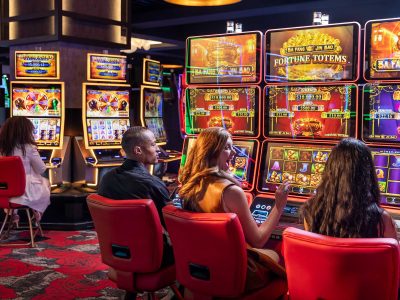
What keeps people coming back to slot machines? Part of the answer lies in the powerful psychological mechanisms at play. Slot machines are designed to engage the player on a deeply emotional level. The flashing lights, the rhythmic spinning of the reels, and the sound effects are all intentionally crafted to heighten anticipation and evoke feelings of excitement. The sound of a jackpot being triggered, or the chime of a winning combination, triggers a release of dopamine—one of the brain’s “feel-good” chemicals—reinforcing the player’s behavior and making them more likely to play again.
The concept of “near misses” also plays a significant role in slot machine psychology. A near miss occurs when the reels stop just one symbol short of a winning combination. These situations can be surprisingly effective at keeping players engaged. While a near miss may seem like a disappointment, research has shown that it can lead to increased playtime. The human brain often interprets these near misses as signs of impending success, prompting the player to try again in the hope that the next spin will result in a win.
Furthermore, the use of “variable reinforcement” is another psychological principle that contributes to the allure of slots. In essence, this means that players receive rewards at unpredictable intervals, making the experience more engaging and less monotonous. This is similar to how slot machines in arcades or casinos are often designed to give players small rewards, followed by occasional larger payouts. This randomness, coupled with intermittent rewards, creates a sense of suspense and excitement that keeps players coming back.
The Changing Face of Slots: Innovation and Technology
While the core mechanics of slot machines may have remained largely the same, the way in which they are presented has undergone a dramatic transformation. The integration of advanced technology has allowed for an explosion of creativity in the world of slots. Today, players can choose from a wide array of themes, from ancient civilizations to pop culture icons, and immerse themselves in visually stunning environments that would have been unimaginable just a few decades ago.
Online slots, in particular, have seen an incredible surge in popularity over the past two decades. The advent of the internet and mobile devices has made it possible for players to enjoy slot games from anywhere in the world, at any time. Online casinos and gaming platforms offer hundreds, if not thousands, of different slot games, each with its own unique features, bonus rounds, and themes. The ability to play on smartphones and tablets has brought slot gaming to a new audience, allowing players to spin the reels while commuting, waiting for a meeting, or relaxing at home.
In addition to visual innovation, slots have also become more interactive. Bonus rounds, mini-games, and progressive jackpots have become integral components of many modern slot games. Progressive jackpots, in particular, have added a new layer of excitement by offering players the chance to win massive prizes that accumulate over time as more people play the game. These jackpots can grow to life-changing sums, with some reaching millions of dollars, which is why games featuring progressive jackpots are often among the most popular.
The rise of virtual reality (VR) and augmented reality (AR) also holds promise for the future of slot gaming. Imagine stepping into a fully immersive casino environment, where you can walk up to a slot machine, pull the lever, and experience the game as though you were in a physical casino, all from the comfort of your home. While VR and AR are still in their early stages, the potential for these technologies to reshape the slot experience is immense, offering new ways for players to interact with games and even with other players.
The Ethics and Future of Slots
As the world of slot machines continues to evolve, questions around the ethics of their design and the potential for addiction remain important considerations. The highly engaging, often addictive nature of slot games has led to concerns about problem gambling. Many jurisdictions have introduced regulations to limit the negative impacts of gambling, including self-exclusion programs, deposit limits, and responsible gaming initiatives. Furthermore, the rise of online slots has brought with it additional concerns about accessibility and the ease with which players can engage in gambling activities.
Despite these concerns, the future of slots appears bright. As technology continues to advance, so too will the possibilities for creating more immersive, engaging, and innovative slot experiences. Whether through enhanced visuals, deeper integration with social media, or the development of entirely new ways to experience gaming, the world of slots shows no signs of slowing down.
Conclusion: The Enduring Appeal of Slots
From their origins as mechanical devices to their current status as high-tech, immersive entertainment experiences, slot machines have come a long way. They offer a fascinating blend of chance, psychology, and technology, creating a thrilling experience that continues to captivate millions of players worldwide. While the odds may always favor the house, the allure of the spin, the excitement of the chase, and the possibility of winning big ensures that slots remain one of the most beloved and enduring forms of entertainment. Whether at a traditional casino or on a mobile device, the world of slots continues to evolve, providing a thrilling escape and a chance to dream of that elusive jackpot.